

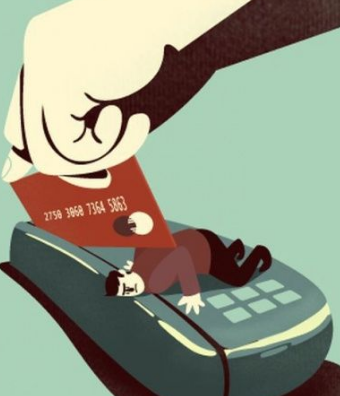
Between lack and luxury lies a valley of malls—stacks upon stacks of items to acquire in order to fit into the ideal circle we wish to belong to. As free as creatives like to believe we are, many of us are unconsciously bound by a financial pinnacle we wish to attain, or a persona we wish to project. This expectation chains us to a series of coincidences, each with a very narrow margin of error. The result? A steady stream of generic content, created from a uniform pattern.
When the beauty standard was "Kardashian-ized," the impact on the industry was massive. Suddenly, butt implants and body alterations were not only socially accepted but became part of everyday conversation. For late millennials, body modification was no longer taboo. An article by the BBC, titled Is It Time We Unfollowed the Kardashians?, discusses how cosmetic surgeon Dr. Esho noticed a surge in clients bringing in photos of Kim Kardashian and other celebrities as the model for their own transformations. With 358.3 million followers on Instagram, Kim's message was amplified and eagerly embraced. Many altered their appearances, while others, especially artistic souls, sank deeper into depression. Body image issues heightened, blocking more authentic emotions from rising through a haze of shame and anxiety. Fear weakens the spirit, preventing the full realization of a creative’s self-expression.
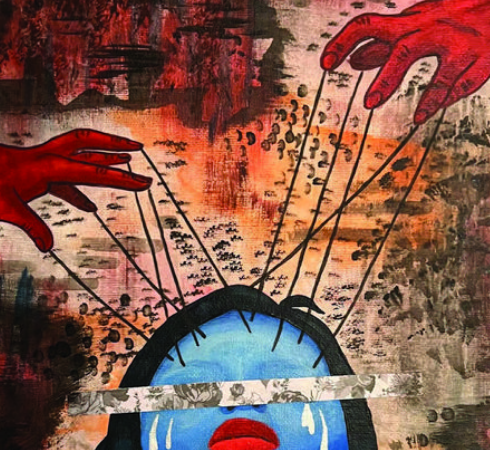
Creators must protect their hearts and minds from prolonged melancholy, keeping a buoyant and regenerative spirit. If we don't manage our subconscious, someone else will. Just Google how 60% of plastic surgery patients want to imitate one or two celebrities.
True artistic freedom lies in the ability to wander freely into your imagination, to lose yourself entirely in creation. When you tie your stream of thought to one singular path, you limit your creative potential.
Every Kenyan creative harbors a wicked, almost silly dream: Make lots of money and legitimize my craft. This dream is deeply rooted in the psychological framework of our society, where the creator’s lifestyle is often seen as a way out. Many in the industry battle the urge to prove their success, seeking validation and often displaying excess opulence. Whether artists, writers, musicians, or designers, this culture of excess can create tension within our spirits. Focusing on external validation disconnects us from the sources of our inner inspiration.
As Galatians 1:10 reminds us: Am I now trying to win the approval of human beings or of God? Or am I trying to please people? If I were still trying to please people, I would not be a servant of Christ.
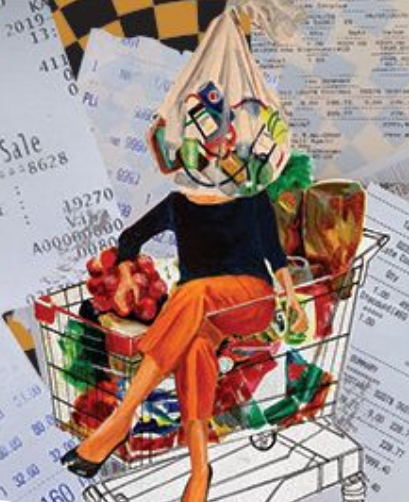
The increasing displays of overconsumption by Kenya's top celebrity teams contribute significantly to the burden of joylessness that many rising creatives carry with their work. The true creator knows that imagination (Christ within) does not need to consume in order to create. Our souls understand that creation is about drawing from inner wisdom, a resource that is uniquely tailored to each individual. More creatives need to awaken to the understanding that everything we need to create is within us. Consistent affirmation of this truth will fortify us against the false promises of consumerism. Creativity is about channeling the flow of the universe, not acquiring or possessing anything external.
Now, hear me out—consumerism is not inherently evil, nor is it entirely detrimental to creativity. In fact, consumer culture can serve as a catalyst for creative expression. The material world offers an expansive source of inspiration: artifacts, products, technology, and trends all reflect the collective consciousness of our time. The challenge is not to reject the material world but to understand it as a tool for spiritual and creative growth. Artists, musicians, and writers often draw upon the products of consumerism to explore its influence, critique its excesses, and reflect on its impact on the human condition